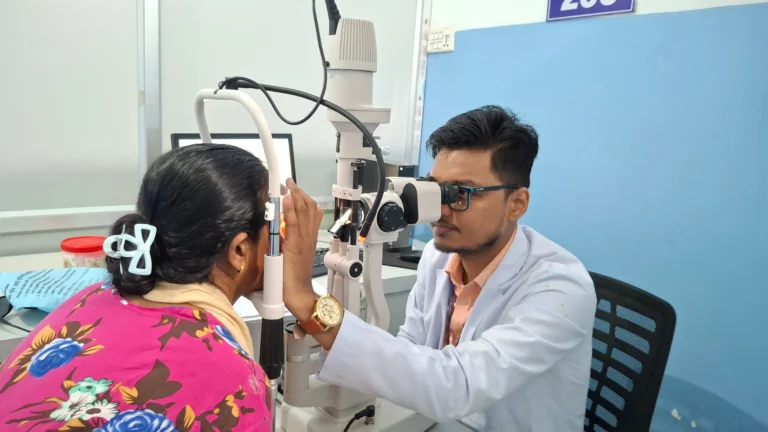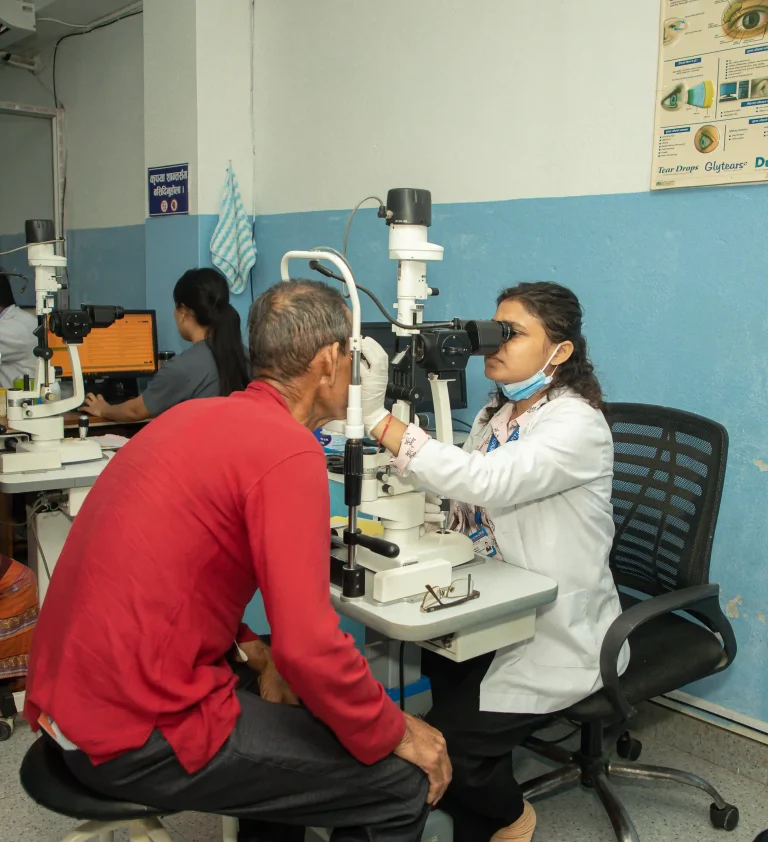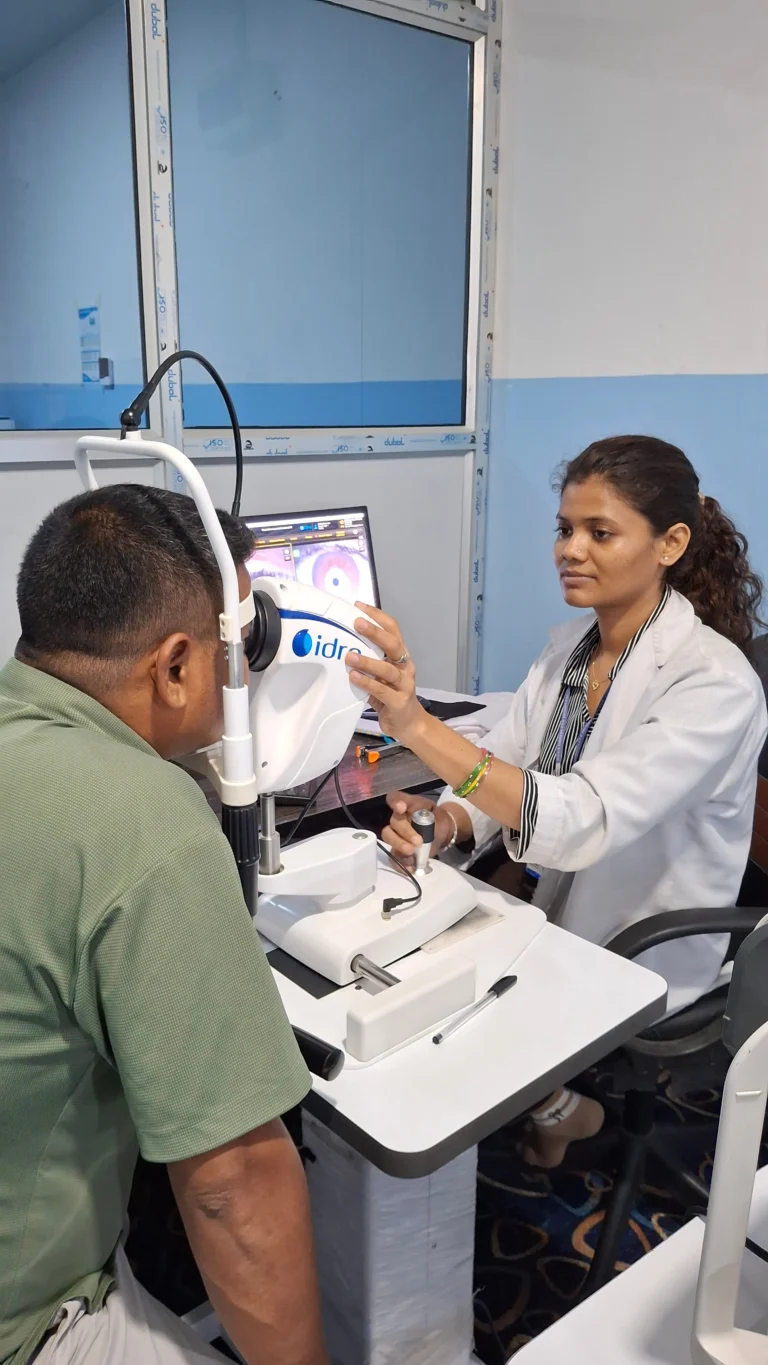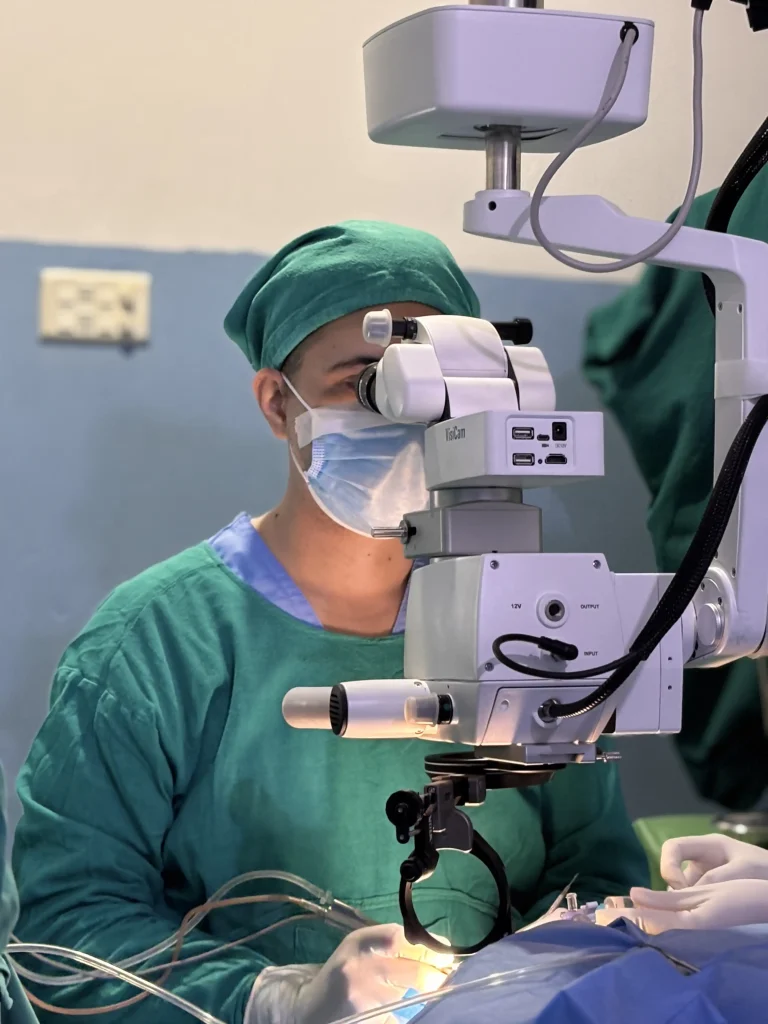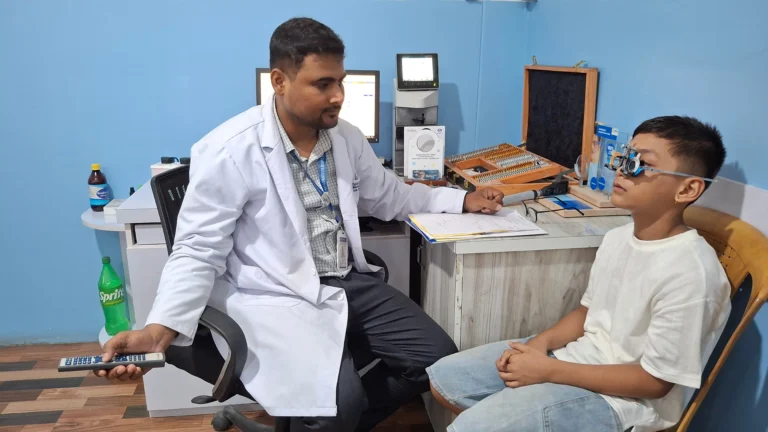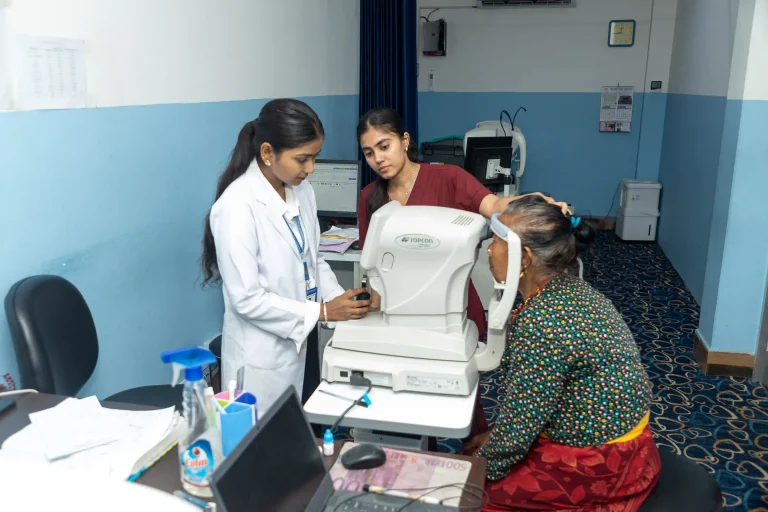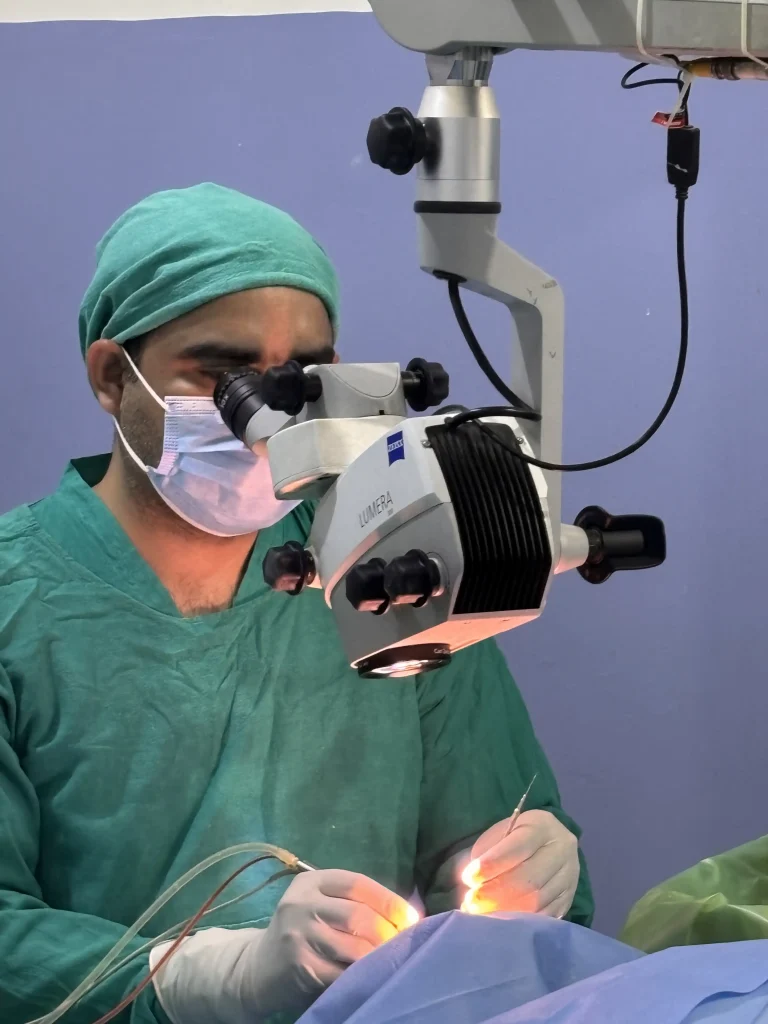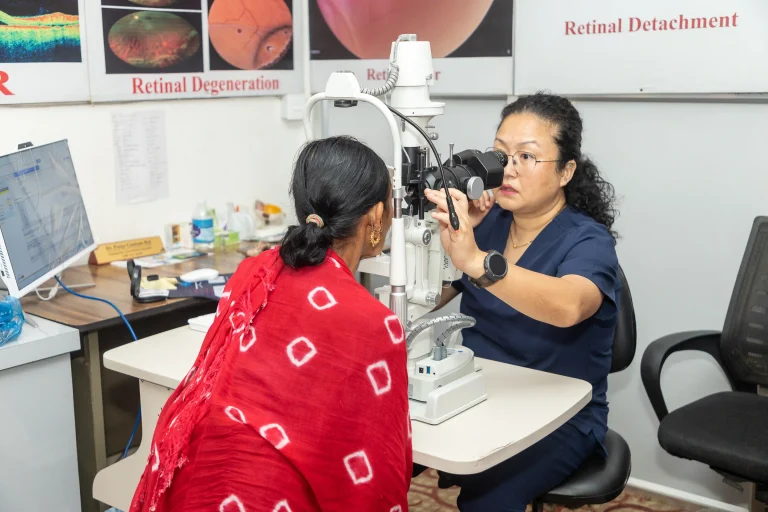
A Uveitis service at Nava Dristi eye hospital provides specialized care for inflammatory eye conditions (anterior, intermediate, posterior, or panuveitis) to prevent vision loss.
What are the symptoms of uveitis?
- Anterior Uveitis: Red eye, sharp pain, sensitivity to light, and blurred vision.
- Intermediate/Posterior Uveitis: Often presents with floaters, blurry vision, or reduced vision, sometimes without pain.
What causes Uveitis?
Uveitis is an inflammatory response, frequently secondary to autoimmune diseases (like rheumatoid arthritis or sarcoidosis), infections (such as herpes or tuberculosis), or eye injuries.
What are the types of Uveitis?
- Anterior: Affects the front of the eye (iritis).
- Intermediate: Affects the middle part of the eye (vitreous).
- Posterior: Affects the back of the eye (retina).
- Panuveitis: Affects all layers of the uvea.
Can Uveitis be cured or go away on its own?
While some mild cases may resolve, untreated uveitis can lead to permanent vision loss. Many cases can be managed or cured, but some types (especially intermediate or posterior) can become chronic and require long-term management.
How is Uveitis treated?
- Steroid Eye Drops/Ointment: Usually for anterior uveitis to reduce inflammation.
- Injections: Steroids injected around the eye.
- Systemic Medications: Pills, including immunosuppressants or biologics for severe or systemic cases.
Is Uveitis contagious?
No, you cannot "catch" uveitis from someone else.
What is the difference between Acute and Chronic Uveitis?
- Acute: Starts suddenly but improves within three months.
- Chronic: Long-lasting or reappears within three months of stopping treatment.
FAQs