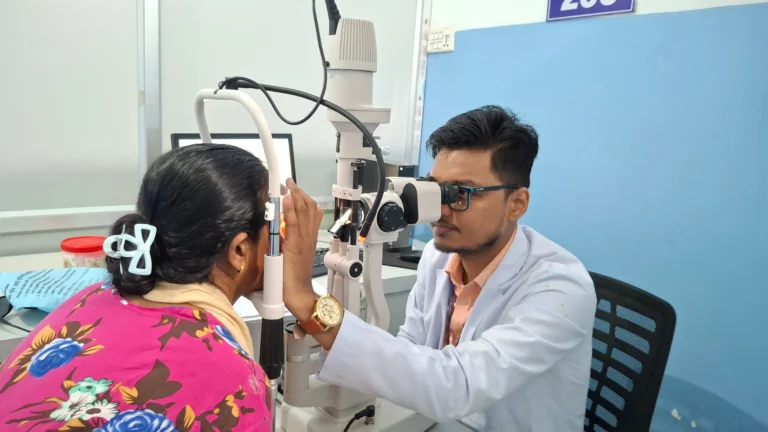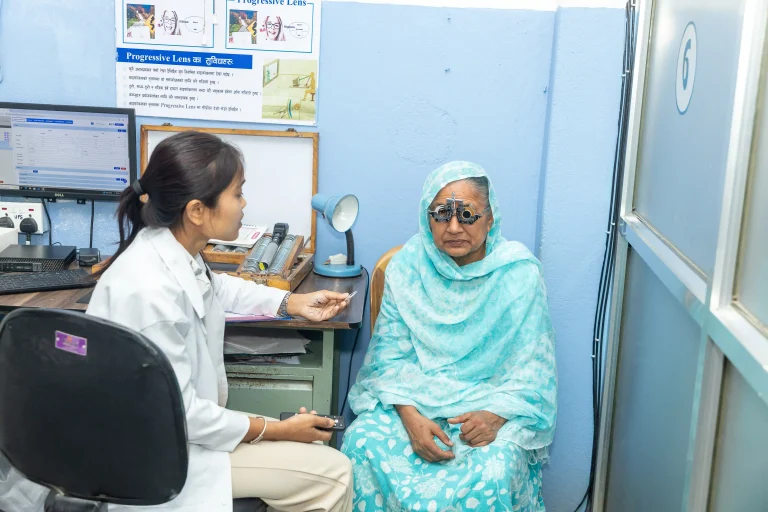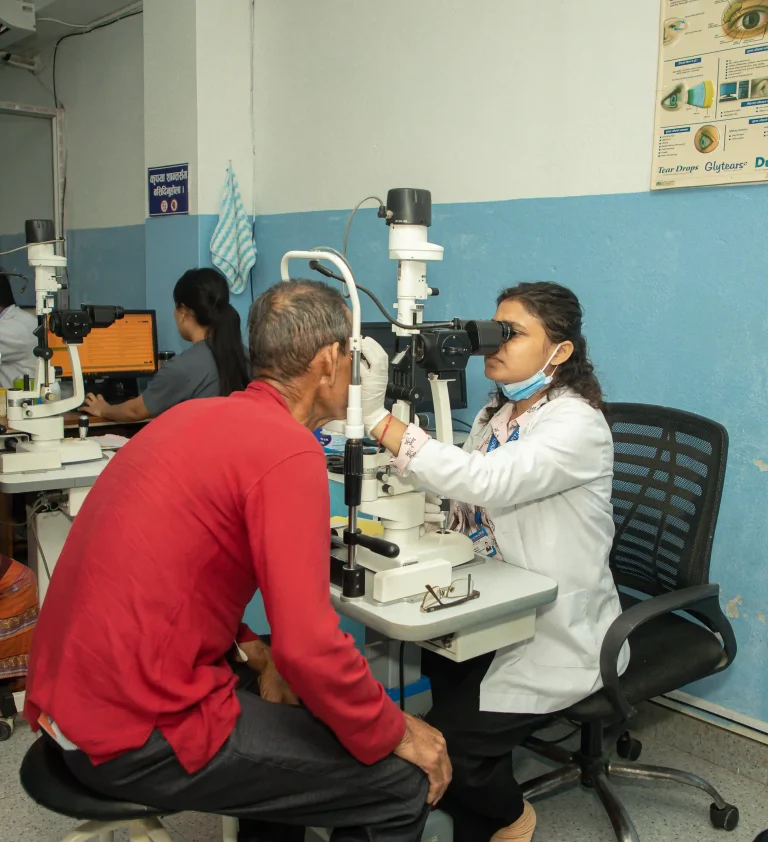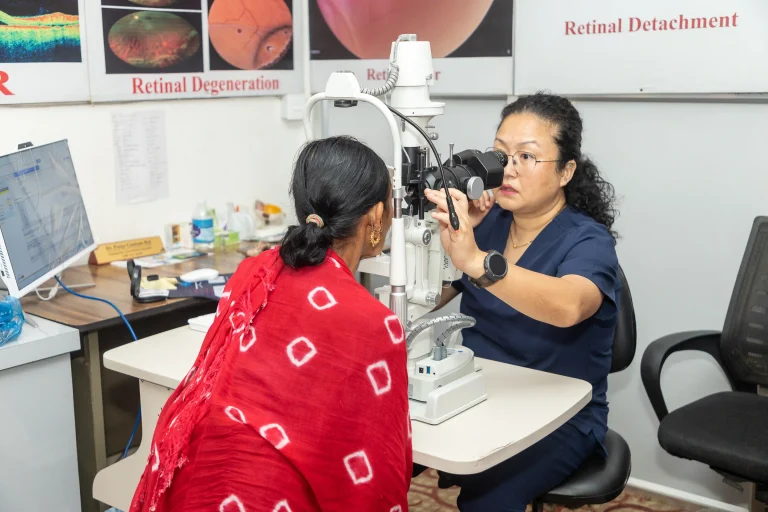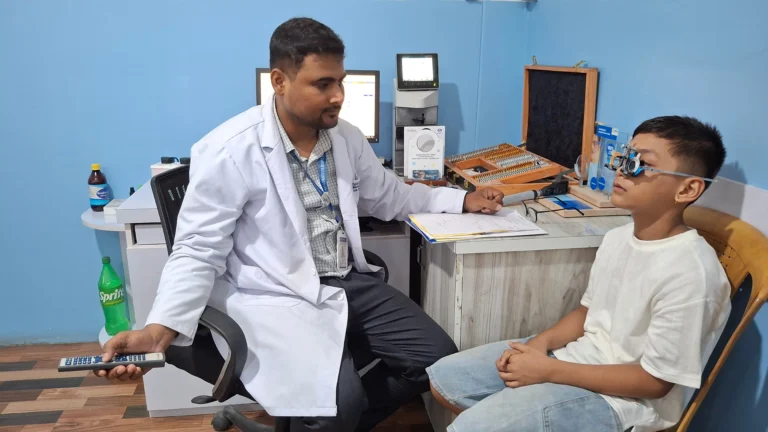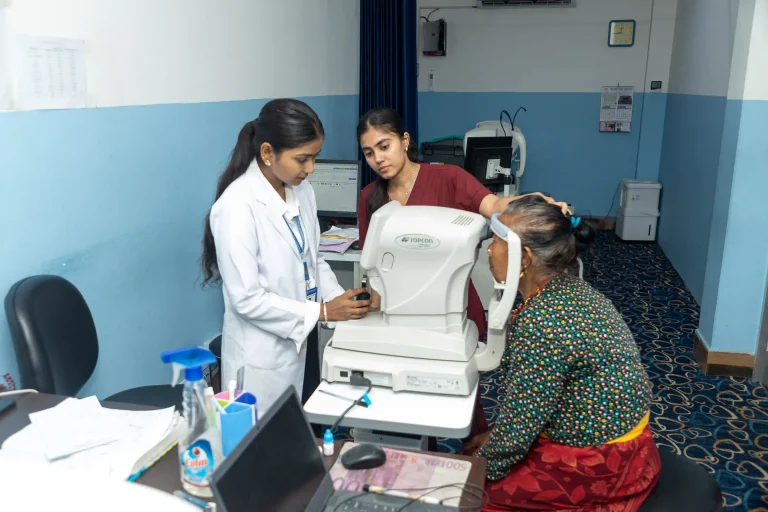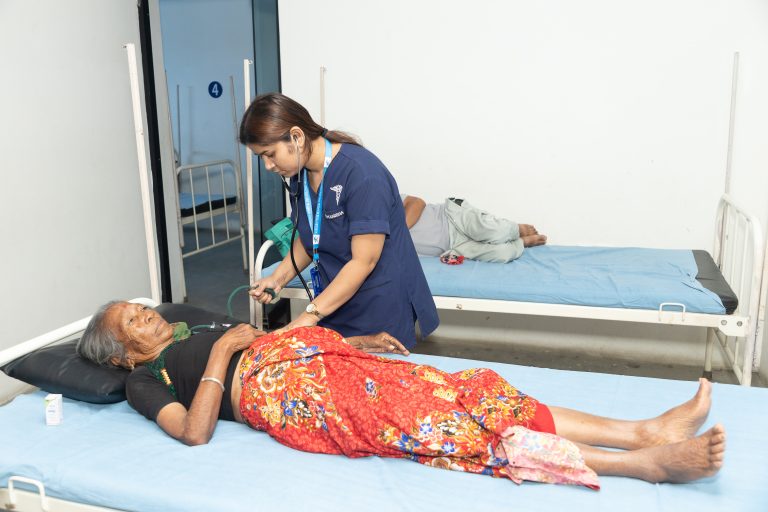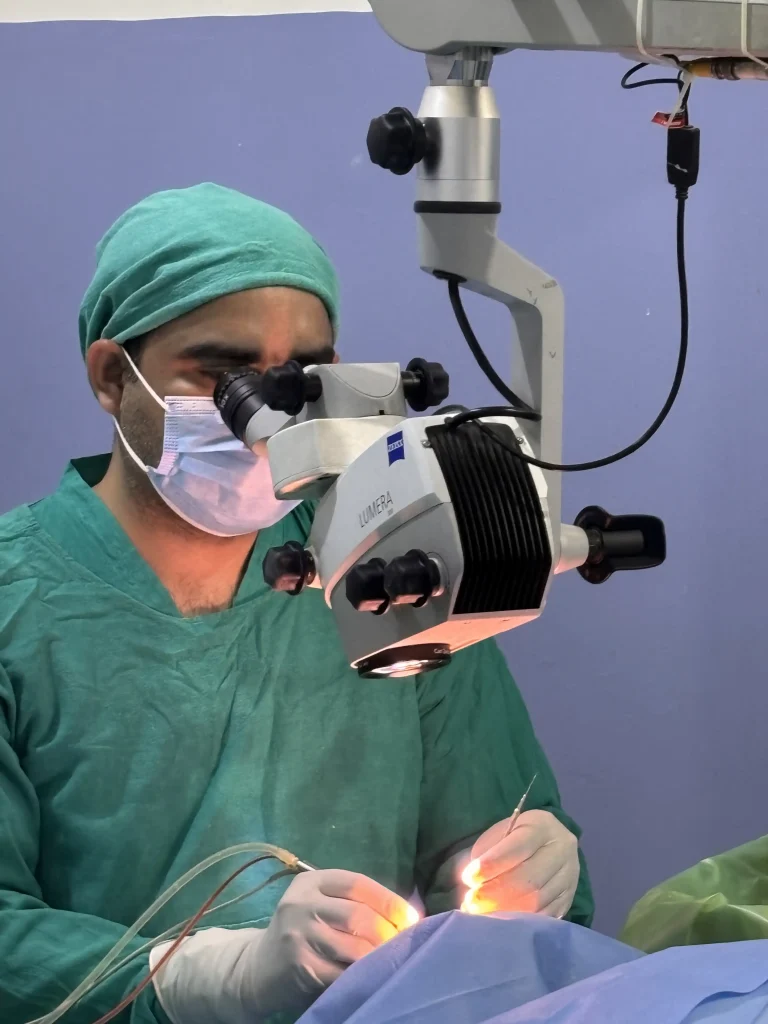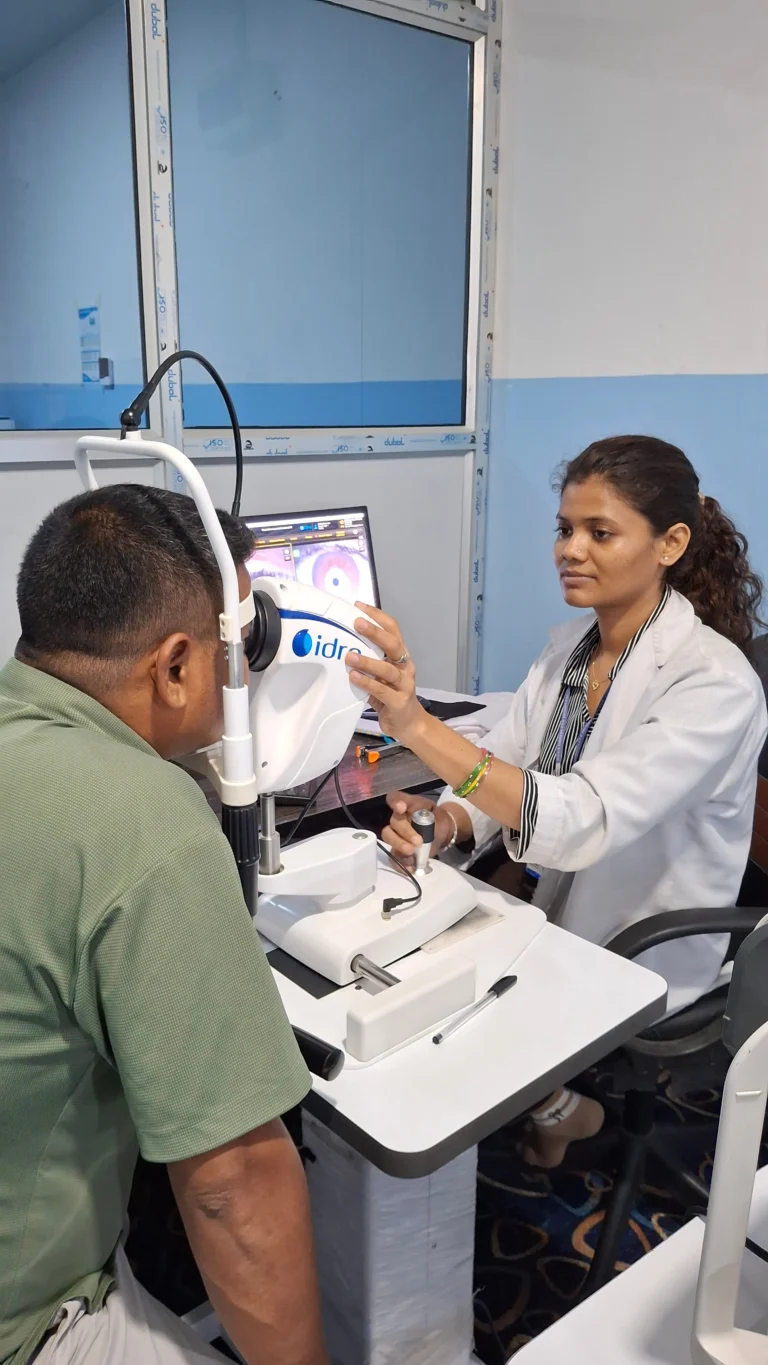
Dry Eye Disease (DED) is a common chronic condition that occurs when your eyes either fail to produce enough tears or generate poor-quality tears that evaporate too quickly. Without a stable, protective tear film over the surface of the eye, you may experience persistent redness, burning, a gritty sensation like sand in the eyes, and even blurry vision. Left unmanaged, severe dryness can lead to eye surface inflammation, increased risk of infection, and corneal damage, making professional evaluation essential.
FAQs
Questions? We’ve got answers
+ − What are the most common symptoms of dry eyes?
Burning Sensation or Stinging redness, a gritty feeling like sand in your eyes, light sensitivity, and blurry vision that clears when you blink.
+ − Why do my eyes water constantly if they are supposed to be dry?
Irritation triggers your brain to send emergency tears. However, these tears are mostly water and lack oil, so they run off quickly without actually moisturizing your eyes.
+ − How does screen time contribute to dry eye disease?
You blink up to 60% less when staring at screens. Less blinking means your eyes aren't getting regularly coated with tears, making them dry out fast.
+ − What is the difference between aqueous deficiency and evaporative dry eye?
Aqueous deficiency means your glands aren't making enough water for tears. Evaporative dry eye means blocked oil glands cause your tears to evaporate too quickly.
+ − Are artificial tears safe to use every day, and which type is best?
Yes. Standard drops work fine for mild dry eyes, but if you need them more than 4 times a day, use preservative-free drops to avoid eye irritation.
+ − Can lifestyle choices or diet improve dry eye symptoms?
Yes. Drink plenty of water, use a room humidifier, take screen breaks every 20 minutes, and eat foods rich in Omega-3 fats (like fish or flaxseed).
+ − How do eye specialists treat chronic dry eye when drops aren't enough?
Doctors can prescribe anti-inflammatory drops, insert tiny plugs (punctal plugs) to block tear drainage, or use heat therapies to unblock eyelid oil glands.
+ − When should I see an eye doctor for my dry eyes?
See a doctor if over-the-counter drops don't help after a few days, or if you have eye pain, severe redness, thick discharge, or vision changes.